
Orthodontic Treatments in Vancouver, BC

Understanding When Teeth Need Alignment
Teeth do not always develop in positions that support proper function or easy cleaning. Crowding, spacing, or bite imbalance can affect how you chew and maintain oral hygiene over time.
If you are considering Orthodontic treatments in Vancouver, BC, the first step is a clinical evaluation. During this visit, your dentist assesses tooth position, jaw alignment, and bite using imaging and examination to determine whether treatment is necessary.
How Teeth Move During Orthodontic Care
Orthodontic treatment relies on a biological response rather than simple mechanical force. When controlled pressure is applied, the surrounding bone remodels. Bone breaks down on one side of the tooth and forms on the other, allowing gradual repositioning.
This response varies between individuals. Age, bone density, and oral health influence both the rate of movement and long-term stability, which is why treatment requires regular monitoring and adjustments.
What Orthodontic Care Can Address
Orthodontic treatment focuses on improving alignment and bite function when these issues begin to affect oral health or comfort.
Common concerns include:
- Crowded or overlapping teeth that trap plaque
- Spacing that disrupts alignment
- Bite problems such as overbite, underbite, or crossbite
- Jaw discomfort from uneven pressure
For patients searching for Orthodontic treatment near me, early identification of these concerns can help reduce the risk of future complications.
Planning Care Based on Individual Needs
Orthodontic care is tailored to each patient rather than applied as a standard approach. Treatment planning depends on clinical findings and long-term stability considerations.
At Dentist at False Creek, we provide Personalized orthodontic care in Vancouver by evaluating:
- Severity of alignment concerns
- Jaw development and growth stage
- Patient compliance with treatment protocols
- Overall oral health condition
Orthodontic Treatment for Children in Vancouver
Early evaluation allows monitoring of jaw growth and tooth eruption patterns. In certain cases, early intervention may reduce the need for more complex treatment later.
Orthodontic Treatment for Teens and Adults
For fully developed jaws, treatment focuses on correcting alignment and improving bite function. Options are selected based on clinical needs, expected outcomes, and lifestyle considerations, including Orthodontic treatment for teens and adults.
Comparing Orthodontic Treatment Options
Different orthodontic methods are used depending on the complexity of tooth movement and the level of control required.
Braces
Braces use brackets and wires to apply continuous pressure and guide teeth into alignment. They are often recommended when detailed control is required for bite correction.
Invisalign in Vancouver
Clear aligners are designed as a sequence of trays that gradually reposition teeth. Many patients consider Invisalign in Vancouver because the aligners are removable and allow easier cleaning.
Retainers
After active treatment, retainers are used to maintain tooth position. Without retention, natural tissue forces can cause teeth to shift over time.
If you are looking for a Dentist in Vancouver for orthodontics, understanding these treatment options helps support informed decision-making.
What Happens During Orthodontic Care
Orthodontic treatment follows a structured process to guide safe and predictable tooth movement.
Evaluation and Records
Clinical examination, digital scans, and X-rays are used to assess alignment, jaw position, and supporting structures.
Treatment Planning
A customized plan is created based on the degree of correction required and the safest method to achieve it.
Active Movement
Braces are adjusted, or aligners are replaced at scheduled intervals to continue tooth movement.
Monitoring Progress
Follow-up visits allow the dentist to assess how teeth are responding and make necessary adjustments. Patients seeking Advanced orthodontic care near me often benefit from consistent monitoring.
Maintaining Oral Hygiene During Treatment
Orthodontic appliances can make cleaning more challenging, increasing the risk of plaque accumulation if not managed carefully.
Daily care includes:
- Brushing thoroughly around brackets or aligners
- Using flossing tools to clean between teeth
- Avoiding hard or sticky foods
- Attending scheduled dental visits
These practices help reduce gum irritation and support treatment progress.
When to Consider Orthodontic Treatment
Some alignment issues are visible, while others are identified during a dental examination.
You may benefit from orthodontic care if you notice:
- Crowded or uneven teeth
- Difficulty chewing or biting
- Jaw discomfort or shifting
- Spacing between teeth
Additional Considerations
- Early evaluation supports Orthodontic treatment for children in Vancouver by guiding development
- Adult care focuses on correcting established alignment patterns
- A consultation helps determine if treatment is appropriate for your condition
Our Approach to Orthodontic Care
At the Dentist at False Creek, orthodontic care is based on careful diagnosis and individualized treatment planning. We focus on:
- Detailed clinical evaluation using imaging and examination
- Controlled tooth movement guided by biological response
- Clear communication about treatment timelines
- Long-term stability following treatment completion
FAQs
Book Your Orthodontic Consultation
If you are considering orthodontic care, the next step is a consultation to evaluate your alignment and bite.
Contact a Dentist at False Creek to schedule your visit and begin a treatment plan tailored to your needs.
Our Services

All-on-4 Dental Implants
Those missing several teeth can regain comfort and appearance with an All-on-4 dental Implant in..

Bone grafting
If your jawbone has thinned or weakened over time, bone grafting in Vancouver can help..
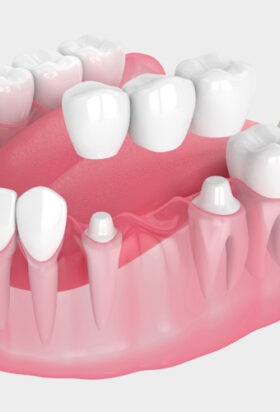
Dental Bridges
If you have one or more missing teeth, dental bridge treatment in Vancouver can help..

Dental Exams & Cleanings
Routine dental exams and cleanings are the main key to keeping healthy teeth and gums..

Dental Implant Repair
A damaged or loose implant doesn’t always mean starting over. At Dentist at False Creek,..
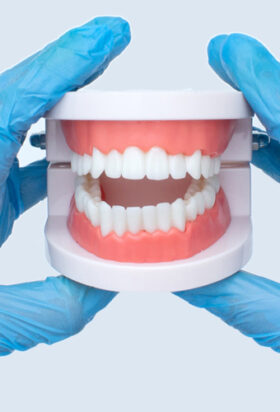
Dentures
Well-fitting dentures restore your ability to speak, chew, and smile with confidence. At Dentist at..

Emergency Dentistry
When unexpected tooth pain, injury, or swelling occurs, it’s important to seek care promptly. Emergency..

Multiple teeth replacement
Replacing several missing teeth restores balance, speech, and chewing. At Dentist at False Creek, our..

Oral Surgery
When you need advanced dental treatment, having a trusted oral surgery team ensures your comfort..

Periodontics
Healthy gums are the true foundation of a confident smile. If you’re dealing with bleeding,..

Root Canal Treatment
When tooth pain or infection occurs, prompt treatment can protect your oral wellbeing and avoid..

Single Dental Replacement
Replacing a single missing tooth protects chewing, speech, and jaw health. At Dentist at False..

Teeth Whitening
A brighter smile can add confidence to everyday moments. At Dentist at False Creek, we..

Traditional Braces
A straighter smile not only improves your visual appearance but also supports better oral health...

White fillings
Tooth-coloured fillings offer a natural way to restore strength and appearance after decay or damage...

Family Dentistry
Families often look for a dental home that feels welcoming and consistent. Dentist at False..

Saturday Dentist
Convenient Weekend Dental Care at the Dentist at False Creek Squeezing in dental appointments amidst..